
Many people in Chennai only learn they have gallbladder stones during a routine health check or an abdominal scan done for an unrelated reason. Because gallstones grow slowly over years, they often cause no obvious trouble at first or trigger mild, passing upper abdominal discomfort that is easy to brush off as everyday acidity, gas, or a heavy meal.
Knowing how to identify gallbladder stones early helps you spot subtle clues before a painful biliary colic attack or blocked bile duct develops. At the same time, discovering a silent stone on an ultrasound does not automatically mean you need an operation.
This guide explains the quiet symptoms of gallstones, urgent warning signs that require immediate medical care, how diagnosis works in Chennai, and when monitoring is safe versus when keyhole gallbladder removal is recommended.
Why Gallbladder Stones Often Go Unnoticed
Gallstones are hardened deposits typically made of cholesterol or bile pigments that form inside the gallbladder, a small pear-shaped organ tucked beneath your liver. Because these stones can rest inside the gallbladder for years without blocking the flow of bile, most people do not feel anything unusual at first.
-
Most stones stay "silent": Asymptomatic gallstones cause no pain or obvious digestive trouble. Many patients in Chennai only find out they have them by chance during a routine health check-up or an abdominal ultrasound done for an unrelated reason.
-
They grow very slowly: Gallstones increase in size by roughly 1 to 2 millimetres a year, taking anywhere from 5 to 20 years to become large enough to irritate the gallbladder or block a bile duct. This gradual build-up explains why symptoms commonly appear in your 40s and beyond.
How to Identify Gallbladder Stones: Early and Subtle Signs
Real clues exist, but they are easy to dismiss as acidity or a heavy meal. Here is what to look for, and what to be careful about.
Biliary colic: the classic sign
Recurring pain in the upper abdomen, especially after eating or with nausea, should be evaluated by a doctor. The pain is usually felt in the upper right or middle abdomen, builds quickly and can last from half an hour to several hours.
Pain that travels
Some people feel the discomfort spread to the back or under the right shoulder blade. Episodes that come and go, then return weeks or months later, are a typical pattern.
Vague symptoms: handle with care
Many people blame gas, bloating or nausea on the gallbladder. However, these symptoms have often been wrongly attributed to gallbladder disease, and fatty foods are not a specific trigger of gallstone pain. If you have only these symptoms, your doctor will look for other causes too.
Silent Symptoms vs Warning Signs You Cannot Ignore
Many people carry gallstones for years without knowing it, while others dismiss mild upper abdominal discomfort as routine acidity or indigestion. Learning to tell subtle, early clues apart from red-flag emergency symptoms helps you seek timely medical advice before a blocked bile duct or gallbladder infection develops.
Quiet clues worth mentioning to a doctor
-
Repeated upper abdominal discomfort after meals
-
Short episodes of cramping pain that settle on their own
-
Pain that wakes you at night
-
A gallstone mentioned in an old scan report
Warning signs: seek urgent care
High fever with chills, jaundice, dark tea-coloured urine with pale stools, or a sudden severe worsening of upper abdominal pain with vomiting may mean a complication such as infection, a blocked duct or an inflamed gallbladder. Go to the nearest hospital without waiting for an appointment.
Who Is at Higher Risk of Gallstones?
Anyone can develop gallstones, regardless of age or background, and having one or more risk factors does not mean you will inevitably experience pain or need surgery. However, certain biological, metabolic, and lifestyle factors change the chemical balance of bile either by increasing cholesterol levels in the bile or by slowing down how often the gallbladder empties making stones more likely to form over time:
-
Female Sex, Pregnancy, and Oestrogen-Containing Medicines: Women are roughly twice as likely as men to develop gallstones, particularly before menopause. Higher levels of oestrogen (during pregnancy, hormone replacement therapy, or while taking oestrogen-containing oral contraceptives) increase cholesterol secretion into bile, while progesterone slows down gallbladder muscle contractions, leaving bile sitting in the organ longer.
-
Age and Family History: Gallstone risk rises steadily after age 40 as the liver naturally secretes more cholesterol into bile. If a parent or sibling has had gallstones, your own likelihood is higher due to shared genetic factors affecting bile metabolism.
-
Obesity, Insulin Resistance, and Diabetes: Carrying excess body weight especially around the waist raises the amount of cholesterol in bile and reduces gallbladder motility. Conditions such as type 2 diabetes, insulin resistance, and abnormal blood fats (high triglycerides or low HDL cholesterol) further disrupt normal bile composition.
-
Rapid Weight Loss: Losing weight too quickly whether through very low-calorie crash diets or following bariatric surgery causes the liver to release extra cholesterol into bile while simultaneously reducing gallbladder contractions, creating ideal conditions for stones to crystallise.
-
Prolonged Fasting and Physical Inactivity: When you go many hours without eating, the gallbladder does not receive the normal digestive signal to contract and release bile. Over time, stagnant, overly concentrated bile can form sludge and solid stones. A sedentary routine further slows digestion and metabolic health.


Everyday Habits in Chennai Worth a Second Look
While genetics and age cannot be changed, several common urban routines in Chennai quietly add to these underlying triggers:
-
Long Desk Hours and Commutes: Spending eight to ten hours seated at offices along OMR, Guindy, or Ambattur followed by a tiring traffic commute often leaves little energy for regular physical activity.
-
Skipping Breakfast and Long Meal Gaps: Leaving home early with only tea or coffee and eating a late lunch creates extended fasting windows during which bile sits stagnant in the gallbladder.
-
Crash Dieting Before Weddings or Family Events: Aggressive, short-term fasting or severe calorie-cutting diets to drop weight quickly before a wedding or function can trigger sudden stone formation.
None of these habits will cause gallstones on their own, and changing your diet will not dissolve stones that have already formed. However, spacing meals regularly throughout the day, aiming for gradual rather than rapid weight loss, and fitting in even 20 to 30 minutes of brisk walking most days can support healthy gallbladder emptying and lower your future risk.
How Gallstones Are Diagnosed in Chennai
Checking for gallbladder stones is simpler and faster than most patients expect. You do not need an expensive, high-end scanner to get a clear answer; the primary test is painless, widely available at diagnostic centres and hospitals across Chennai, and usually takes less than 20 minutes.
-
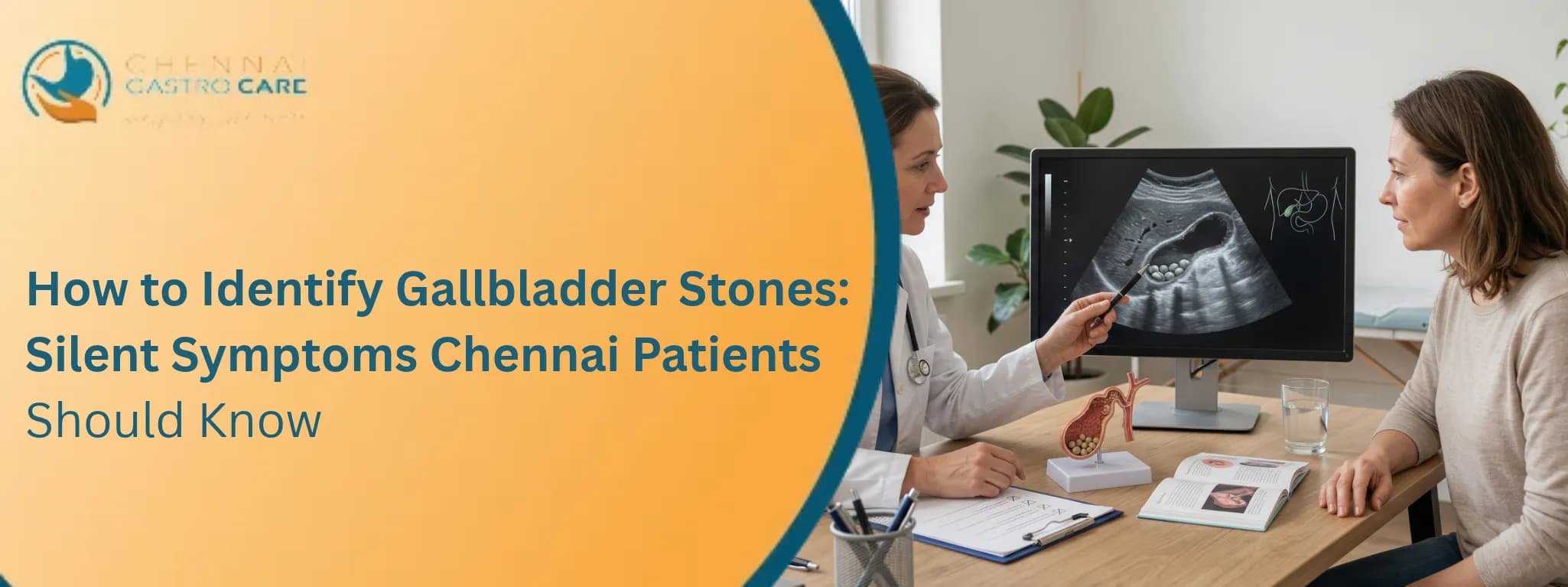
Abdominal Ultrasound (The Test of Choice): A standard upper abdominal ultrasound is the most reliable first step, detecting stones inside the gallbladder with roughly 95% accuracy. You will usually be asked to fast (avoid food and drink) for 6 to 8 hours beforehand. Fasting keeps the gallbladder full of bile and reduces stomach gas, allowing the radiologist to see even small stones and check whether the gallbladder wall is thickened.
-
Blood Tests (Checking for Complications): Routine blood tests such as liver function tests (LFTs), a complete blood count, and amylase or lipase usually look completely normal if you have uncomplicated gallstones. While ultrasound scans detect the stones themselves, your doctor orders blood tests to rule out infection, gallbladder inflammation, pancreatitis, or a blocked bile duct.
-
MRCP and Endoscopic Tests (For Suspected Bile Duct Stones): Standard ultrasound is excellent for spotting stones inside the gallbladder, though stones that have slipped into the narrow common bile duct can sometimes be harder to see. If your symptoms, blood work, or dilated ducts suggest a bile duct stone, your specialist may recommend an MRCP (a specialised, non-invasive MRI scan of the bile ducts) or an endoscopic test such as EUS (endoscopic ultrasound) or ERCP to locate and remove the blockage.
Practical tip before your visit: Always bring all previous ultrasound scans and written reports, even older ones from routine health checks to your consultation. Comparing past and recent scans helps your surgeon see whether stones have grown or multiplied and decide whether monitoring or surgery is the safest next step.
Found Silent Gallstones on a Scan? Do You Need Surgery?
This is the most common worry, and the answer is often reassuring. Most silent stones do not need removal.
Each year, about 0.2% of people with silent gallstones develop complications, compared with about 2% of those who already have symptoms. Asymptomatic gallstones are typically not treated, but you should know the warning signs above.
There are exceptions. Very large stones or a calcified "porcelain" gallbladder carry a higher risk of gallbladder cancer, so your surgeon may advise removal even without symptoms. And once symptoms start, gallbladder removal is indicated because the pain is likely to recur and serious complications can follow.
Treatment: What Actually Works
No tablet, diet or herbal remedy reliably removes stones once they have formed. Changing to a low-fat diet does not help if gallstones are already causing pain.
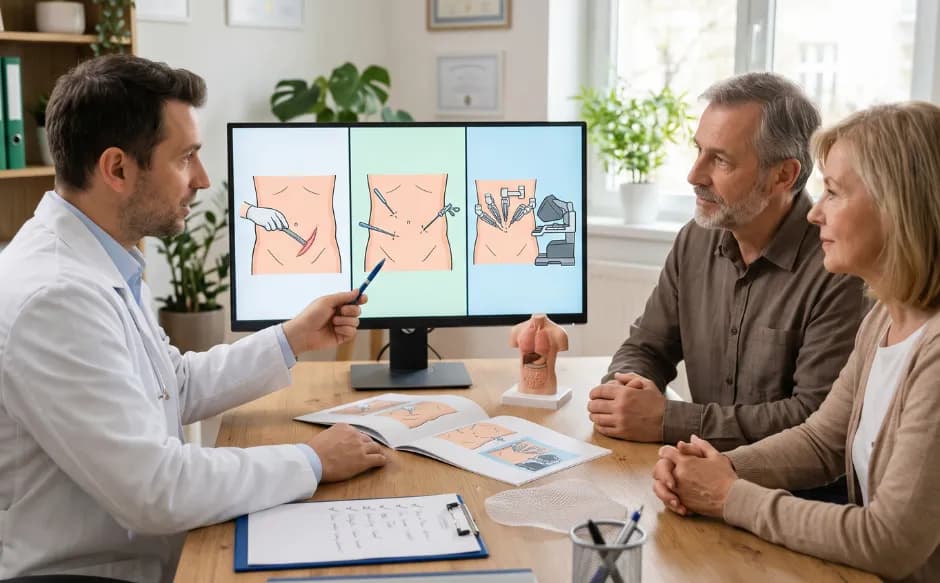
When symptoms keep returning or complications occur, the standard treatment is removing the gallbladder, usually by keyhole (laparoscopic) surgery through a few small cuts. You can live normally without it, because bile still reaches your intestine. Your surgeon will assess your scan, symptoms and general health to decide whether and when this is the right step.
Gallbladder Care for Chennai Patients: Chennai Gastro Care
If you are in Chennai, you should not have to travel far or wait weeks for clear advice about a scan result or recurring pain. Chennai Gastro Care in Alwarpet is easy to reach from Mylapore, Teynampet, T. Nagar, Adyar and Nungambakkam, with evening consultations that suit working schedules.
Dr. Deepak Subramanian (MBBS, MS, MRCS Edinburgh, FIAGES, FALS), Senior Consultant in Laparoscopic, GI and Bariatric Surgery, has more than 14 years of experience and over 5,000 surgeries. At the clinic you meet the surgeon, review your ultrasound together, and get an honest answer on whether to monitor or operate. The clinic holds a 4.9 Google rating from 215+ patients.
Found stones on a scan or having recurring upper abdominal pain? Chat with our medical assistant for quick guidance and support