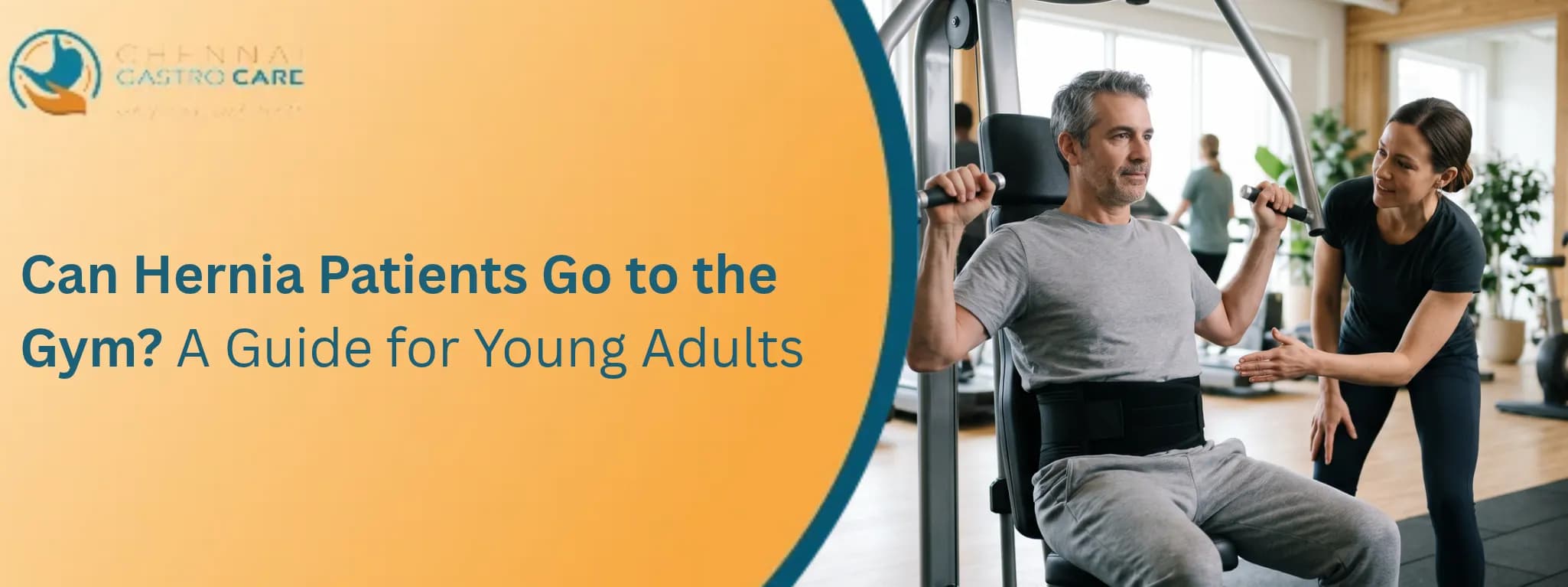

Noticing a groin bulge or dull ache during a workout can leave you wondering whether you have to give up training altogether. If you are asking whether hernia patients can go to the gym, the honest answer is sometimes, provided you adjust how you lift, breathe, and recover.
Heavy compound lifts, intense core exercises, and holding your breath under load sharply raise abdominal pressure, which can worsen an untreated hernia or strain a fresh surgical repair. However, staying completely inactive is rarely necessary once a specialist has evaluated your condition.
This guide explains which movements to avoid, safer ways to stay active before surgery, a realistic timeline for returning to training after keyhole repair, and urgent warning signs that need prompt hospital care in Chennai.
Can Hernia Patients Go to Gym? The Honest Answer
Whether it is safe to keep training depends entirely on where you are in your diagnosis and treatment journey. Because internal abdominal pressure affects an untreated weak spot very differently from a healing surgical repair, each stage follows its own safety rules:
-
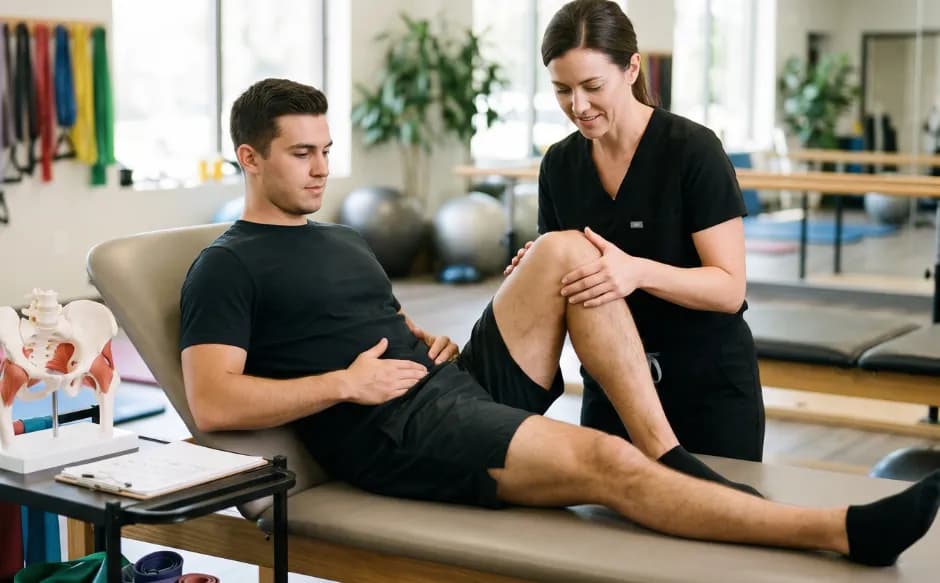
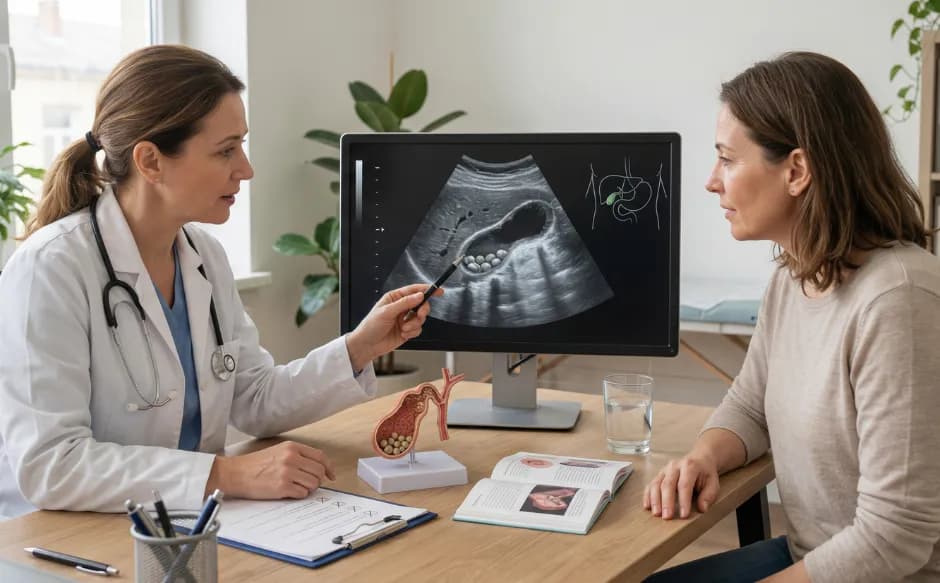
If You Suspect a Hernia but Have Not Been Examined: Do not guess or try to train through unexplained groin or abdominal pain. In young, active adults, discomfort during workouts can come from an early hernia, a groin muscle strain, or a tendon injury and the safe training advice for each is completely different. A straightforward physical examination by a surgeon, supported by an ultrasound scan if needed, gives you a clear diagnosis before you risk worsening the problem.
-
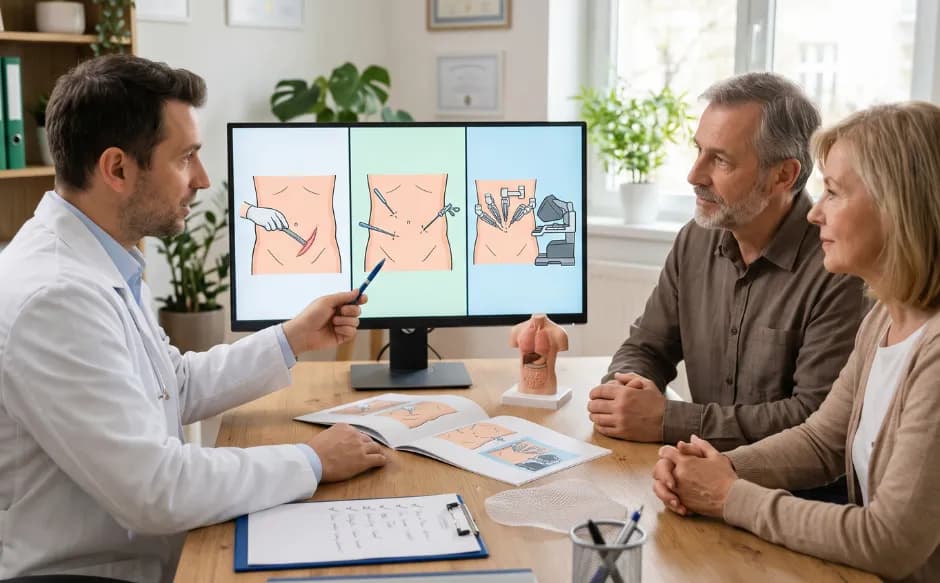
If You Have a Diagnosed Hernia and Are Awaiting Surgery: You can often stay active with low-pressure modifications, provided your doctor confirms your hernia is reducible and not causing sharp pain. Because a hernia is a physical opening in the muscle wall, it never closes on its own through rest, core exercises, or belts and will eventually need surgical repair. While planning your operation, the aim of exercise is simply to maintain fitness without heavy straining that could enlarge the bulge or push tissue into a trapped position.
-
If You Have Already Had Hernia Surgery: You can return to the gym and eventually resume full training, but progression must be gradual. Returning to heavy lifts too quickly or using poor form and holding your breath before the surgical repair and surrounding tissues have fully healed is the most common reason for post-operative setbacks and hernia recurrence.
Why Hernias Happen to Gym-Goers and Young Adults
Many people assume hernias only affect older adults, yet active men and women in their 20s and 30s who lift weights, play competitive sports, or sit at a desk all day before hitting an evening workout can develop them too. Understanding the mechanics behind how hernias form helps you protect your abdominal wall and train more safely.
-
When Internal Pressure Meets a Natural Weak Spot: Every time you brace your core to lift a heavy load, pressure inside your abdominal cavity spikes sharply. A hernia forms when internal tissue pushes through a small opening or weak area in the surrounding muscle wall. Heavy weightlifting rarely causes a hernia on its own in a completely intact abdominal wall; instead, many young adults have a minor, natural weakness present since birth particularly in the groin (inguinal) region that repeated heavy straining gradually exposes.
-
Common Triggers Inside and Outside the Gym: Certain training habits place sudden, concentrated stress on the lower abdomen and groin. Attempting maximal lifts, holding your breath under load (known as the Valsalva manoeuvre), increasing weights too rapidly before your connective tissues adapt, letting your form break down during fatigue, and skipping proper warm-ups all raise the risk. Everyday factors outside the gym such as a persistent cough, constipation that leads to straining on the toilet, or rapid changes in body weight add extra pressure to the same vulnerable areas.
-
Groin pain after squats or sprints can also come from a muscle or tendon injury: Active gym-goers commonly experience adductor muscle strains, hip flexor tendonitis, or soft-tissue groin injuries that closely mimic hernia symptoms without producing an actual bulge. Because each injury requires a different rehabilitation approach, getting a proper physical examination—and an ultrasound scan if advised—is the safest way to know what you are dealing with before modifying your routine.
Exercises to Avoid With a Hernia
The common thread is high pressure on the abdominal wall. Avoid heavy lifting, straining or breath-holding, intense pressure on the abdominal wall, and anything that causes pain, pulling or bulging at the hernia site.
Lifts and movements to skip
-
Heavy squats, deadlifts and overhead presses
-
Sit-ups, crunches and intense core work
-
High-intensity interval training (HIIT) and jumping drills
-
Contact sports
-
Russian twists, V-ups and similar ab exercises marathonhandbook
Why breath-holding matters
The Valsalva manoeuvre, where you inhale and hold your breath during a lift, causes a sharp rise in pressure inside the abdomen. Many gym-goers do this without realising, especially on heavy sets, so breathe steadily throughout.


Safer Ways to Stay Active With a Hernia
You do not have to stop moving. Light, controlled exercise keeps you fit without loading the weak spot, as long as it stays pain-free.
-
Walking and easy cycling: low pressure and easy to scale.
-
Swimming: the water supports your body and reduces strain.
-
Light resistance-band work: standing, controlled and stopped well short of effort.
-
Gentle mobility and stretching: avoid deep abdominal stretches.
Stop immediately if you feel pain, pulling, burning or see a bulge. Your hernia is telling you the load is too high.
When Can You Return to the Gym After Hernia Surgery?
Recovery varies with the type of hernia and operation, so these ranges are only a guide. Your surgeon sets the timeline for you.
A typical timeline after keyhole repair
| Stage | What is usually possible |
|---|---|
| Day 1 onwards | Gentle walking around the house and neighbourhood |
| About 1 to 3 weeks | Light daily activity and easy cardio such as walking or a stationary bike |
| About 4 to 6 weeks | Light resistance work if your surgeon approves, avoiding core strain |
| About 8 to 12 weeks | Gradual return to heavier training and full routine |
After laparoscopic surgery, light exercise can usually resume 1 to 3 weeks after the procedure, while full, unrestricted exercise typically takes 8 to 12 weeks, and open or complex repairs often add 2 to 4 weeks at each stage. Heavy weight training may need to wait roughly 8 to 12 weeks, depending on your case. Working Out With A Hernia: Is It Safe? + 6 Exercises For Hernias +2
How to ease back in
Start well below your old weights, focus on form and steady breathing, and add load slowly. Build core strength gradually rather than with crunches. Always keep your follow-up appointment, because your surgeon checks how well the repair is healing before clearing heavier work.
Gym Safety Checklist for Young Adults in Chennai
Whether you train in Velachery, Anna Nagar, T. Nagar or an OMR office gym, a few habits protect you. Share this list with your trainer.
-
Tell your trainer you have a hernia or are recovering from surgery.
-
Avoid chasing personal bests until you are cleared.
-
Skip maximal lifts and supplements that promise rapid bulking without advice.
-
Keep stools soft with fluids and fibre, because straining on the toilet matters as much as straining in the gym.
-
Warm up properly, especially if you go straight from a long desk shift.
-
Stop at the first sign of pain, bulge or burning.
When to Seek Urgent Care
Exercise can sometimes push a hernia into a trapped position. Go to a hospital immediately if you have sudden severe pain, nausea or vomiting, a hard, tender lump that will not go back in, or a bulge that turns red, purple or dark.
Hernia Care for Young Adults in Chennai: Chennai Gastro Care
You should not have to give up your fitness goals without understanding why. At Chennai Gastro Care in Alwarpet, you meet the surgeon, learn exactly what is safe for your hernia, and get a clear plan for returning to training. Evening consultations suit college schedules and working hours.
Dr. Deepak Subramanian (MBBS, MS, MRCS Edinburgh, FIAGES, FALS), Senior Consultant in Laparoscopic, GI and Bariatric Surgery, has more than 14 years of experience and over 5,000 surgeries, with a focus on laparoscopic repair of inguinal, ventral, umbilical and hiatus hernias. The clinic holds a 4.9 Google rating from 215+ patients.
Not sure whether your workout is safe? Chat with our medical assistant for quick guidance and support