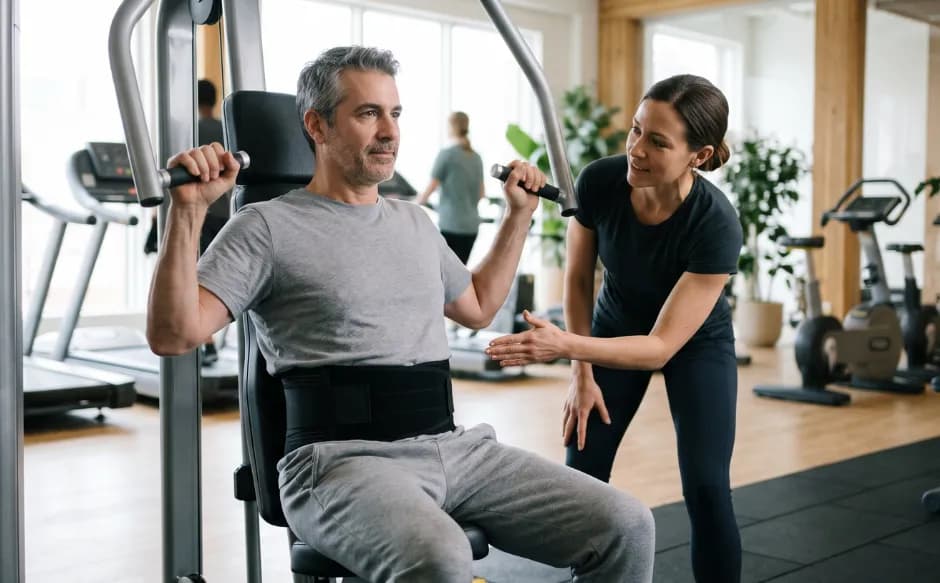

Persistent groin pain can sideline young athletes from football, cricket, kabaddi, or athletics for months especially when there is no visible bulge to explain it. Unlike a traditional hernia, a sports hernia (medically known as athletic pubalgia) is a strain or tear in the deep muscles, tendons, and fascia of the lower abdomen and groin, making it easy to mistake for a routine muscle pull.
Resting for a few days often settles the ache, only for sharp pain to return the moment you sprint, kick, or change direction. This guide explains how to recognise the warning signs, how specialists in Chennai confirm the right diagnosis, when structured physiotherapy works versus when keyhole repair is needed, and how to return to sport safely.
What Is a Sports Hernia?
"Sports hernia" is one of the most confusing terms in sports medicine. When most people hear the word "hernia," they picture a visible lump in the groin yet a sports hernia rarely produces any bulge at all. Instead, it is a deep soft-tissue strain or micro-tear where the lower abdominal muscles and inner thigh (adductor) tendons attach to the front of the pelvic bone.
Why the Name Is Misleading
Because there is usually no true hernia sac or protruding tissue, doctors and sports medicine specialists prefer the term athletic pubalgia (also known as a core muscle injury, groin disruption injury, or sportsman's hernia). The injury involves the muscles, tendons, and tough connective tissue (fascia) of the lower abdomen and groin that work together to stabilise your pelvis. During explosive movements, strong opposing forces pull across the pubic bone, gradually overloading and fraying these attachments.
Sports Hernia vs Inguinal Hernia
A traditional inguinal hernia occurs when internal tissue such as fat or a loop of bowel pushes through an opening in the lower abdominal wall, typically creating a noticeable lump that enlarges when you cough or strain. A sports hernia, by contrast, causes deep groin pain without a visible bulge, which is why it is often mistaken for a routine groin pull and takes longer to diagnose. However, the two conditions can exist together: in some athletes, ongoing strain weakens the back wall of the inguinal canal, creating a hidden defect that a surgeon can reinforce.
Who Gets It?
Athletic pubalgia most commonly affects young, active men who develop gradually worsening, exercise-related groin pain. Globally, it is closely linked with high-intensity sports that demand sudden acceleration, planting the feet, kicking, and sharp twisting of the trunk such as football, ice hockey, rugby, and wrestling. In Chennai, the exact same biomechanical demands occur in fast-paced cricket (especially fast bowling and sudden fielding turns), football, field hockey, kabaddi, and track athletics.
Sports Hernia Symptoms: What Young Athletes Notice
The signs are often vague at first, which is why many players train through the pain for months. Spotting the pattern early makes treatment simpler.
Typical symptoms
-
Deep groin or lower abdominal pain during sprinting, kicking, twisting or sudden changes of direction
-
Pain that settles with rest, then returns when you resume sport
-
Pain during a resisted sit-up, a common clinical clue
-
Soreness the morning after a match or heavy session
-
Difficulty pinpointing exactly where it hurts
Why it should not be ignored
Without treatment, the injury can lead to chronic, disabling pain that stops you from returning to sport. Playing through it is the most common mistake we see in young athletes.
Is It a Sports Hernia or Something Else?
Groin pain in athletes has several causes, and treating the wrong one wastes weeks. A proper assessment separates them.
Chronic groin pain in athletes can involve a sports hernia, conjoint tendon tear, adductor tendinopathy, nerve entrapment, osteitis pubis and hip joint problems. A groin pull from the adductor muscles, a hip impingement and a true inguinal hernia can all feel alike. Hip impingement (FAI) is found in about 80% of surgery-confirmed athletic pubalgia cases, so your doctor may look at the hip as well.
How Sports Hernia Is Diagnosed
Diagnosis combines your story, a careful examination and imaging. There is no single test that settles it on its own.
Examination and history
Your doctor will ask when the pain started, which movements trigger it, and how long it takes to settle. They will examine the groin, abdomen and hip, and look for a small hernia that may only appear on coughing or straining.
Imaging
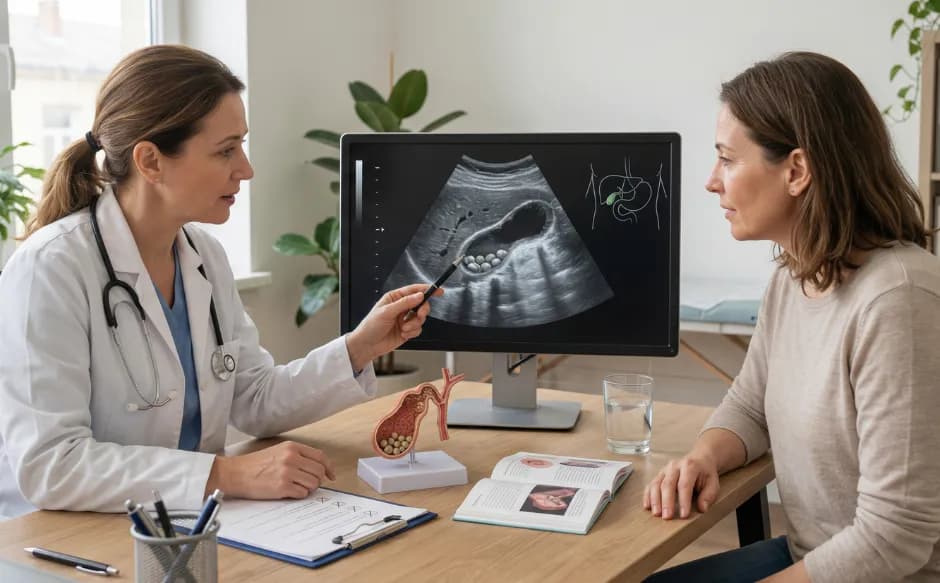
Dynamic ultrasound is often the first-line test and may show a herniation during a strain, while MRI and ultrasound help exclude other causes and support the diagnosis. Because the condition crosses specialities, a multiprofessional approach with surgeons, physiotherapists and radiologists gives the best results.


Sports Hernia Treatment: From Rest to Surgery
Treatment follows a ladder, and most athletes start at the bottom. Your surgeon or sports doctor will guide the pace.
-
Relative rest: In the first 7 to 10 days after an injury, rest and ice can help. Stop the movements that provoke the pain.
-
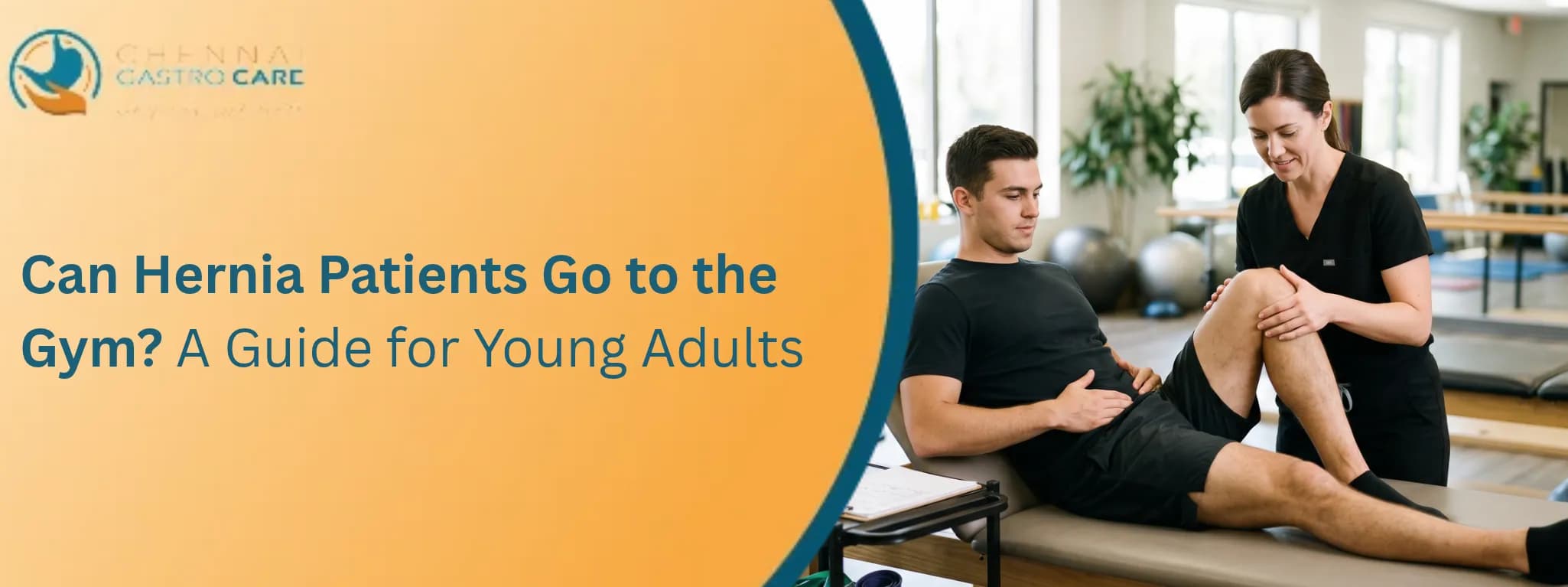
Structured physiotherapy: In many cases, 4 to 6 weeks of physical therapy resolves the pain and allows a return to sport. A trial of non-operative treatment is usually tried first, for 6 to 12 weeks. The programme focuses on core and pelvic stability, not just rest.
-
Surgery for persistent pain: If the pain returns when you resume sports, surgery may be needed to repair the torn tissues. A sports hernia with muscle dehiscence of the deeper abdominal wall layers tends not to respond well to physiotherapy, which is when repair is considered.
What surgery involves
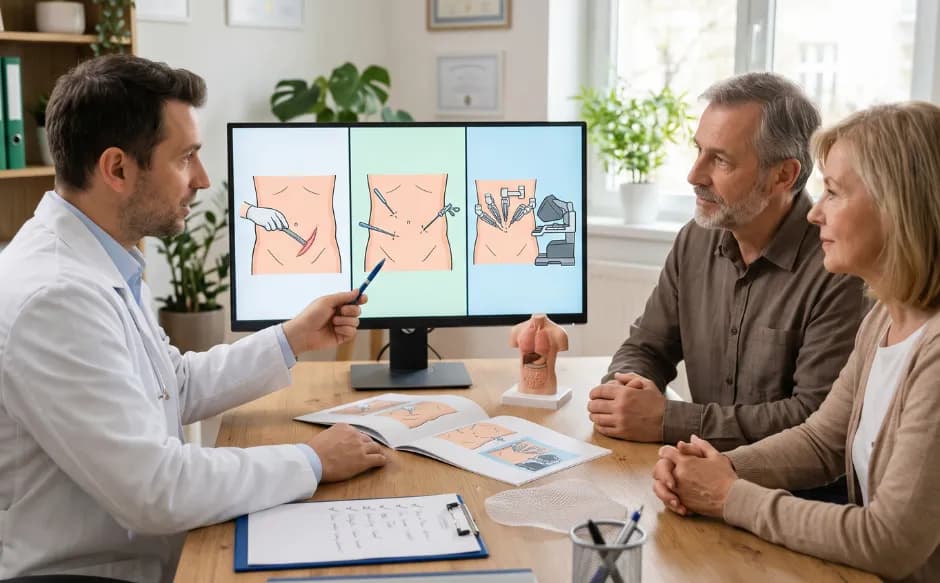
The aim is to strengthen the weak area of the groin, often with a mesh. Options include open repair and laparoscopic (keyhole) techniques, and a randomised trial showed laparoscopic TEP repair can be effective for suspected sports hernia. Some patients also need additional procedures for nerve or thigh muscle pain, which the treating surgeon decides.
Does surgery work better than rehab alone?
In one study of 60 athletes, 90% of those who had surgery returned to sport within three months, compared with 27% with non-surgical treatment, and 97% versus 50% at twelve months. Results vary between studies, and surgery is not for everyone, so the decision should follow a failed, well-supervised rehab trial.
Sports Hernia Recovery Time and Return to Sport
Recovery depends on the treatment path, your sport and how closely you follow the rehab plan. Rushing back is the main reason pain returns.
After surgery, patients can expect a return to full activity in about 6 to 12 weeks. More than 90% of patients who go through non-surgical treatment and then surgery return to sport, although in some, the tissues tear again, and repeat surgery is needed.
Expect a gradual return: walking first, then jogging, then straight-line sprints, and only then cutting, kicking and contact. Your clinician will clear each stage.
Preventing Groin Injuries in Young Athletes
You cannot prevent every injury, but a few habits lower the risk. Coaches and parents can help build them early.
-
Warm up properly before training and matches
-
Build core, hip and adductor strength, not only speed or power
-
Increase training load gradually, especially after a break or during exam seasons
-
Do not play through persistent groin pain
-
Treat early niggles with a proper assessment rather than rest alone
Sports Hernia Treatment in Chennai: Chennai Gastro Care
Young athletes across Chennai compete year-round in football, cricket, hockey, kabaddi, badminton, and track athletics often balancing demanding evening practice sessions alongside school, college, or early career commitments. When persistent groin pain keeps pulling you off the field, getting a clear diagnosis early prevents months of wasted rest or worsening tissue strain. At Chennai Gastro Care in Alwarpet, young athletes and their families receive a thorough, in-person specialist evaluation designed to identify the true source of groin pain and map out a safe return to sport.
-
Evening Consultations Built Around Student and Training Schedules: Conveniently located in Alwarpet, the clinic offers evening consultations (Monday to Saturday, 5:00 PM to 8:00 PM) so school and college athletes can see the surgeon after classes or training without disrupting their academic routine.
-
Direct Evaluation by an Experienced Laparoscopic Hernia Surgeon: You meet Dr. Deepak Subramanian (MBBS, MS, MRCS Edinburgh, FIAGES, FALS), Senior Consultant in Laparoscopic, GI and Bariatric Surgery, in person. With more than 14 years of clinical experience and over 5,000 surgeries performed, he specialises in minimally invasive keyhole repair of inguinal, sports, and abdominal wall hernias.
-
Pinpointing the Exact Cause of Groin Pain: Because athletic pubalgia closely mimics adductor muscle tears, tendon injuries, and hip joint impingement, the first step is a focused clinical examination supported by targeted imaging such as dynamic ultrasound or MRI when required to determine whether your pain stems from a true hernia or posterior groin wall weakness.
-
Honest Advice Surgery Only When Truly Necessary: Not every athlete with groin pain needs an operation. If your examination shows a soft-tissue strain or hip issue best treated without surgery, you receive straightforward guidance and an appropriate referral to a physiotherapist or sports medicine specialist rather than unnecessary surgical intervention.
Groin pain keeping you off the field? Chat with our care assistant for quick guidance and support