
Laparoscopic surgery, a minimally invasive technique using small incisions and a camera, offers significant advantages over traditional open surgery. Patients experience faster recovery, reduced pain, smaller scars, and fewer complications. If you are considering surgery for hernia repair, gallbladder removal, bariatric procedures, or other abdominal conditions, understanding the benefits of this approach can help you make an informed decision about your care.
What is laparoscopic surgery and how does it differ from open surgery?
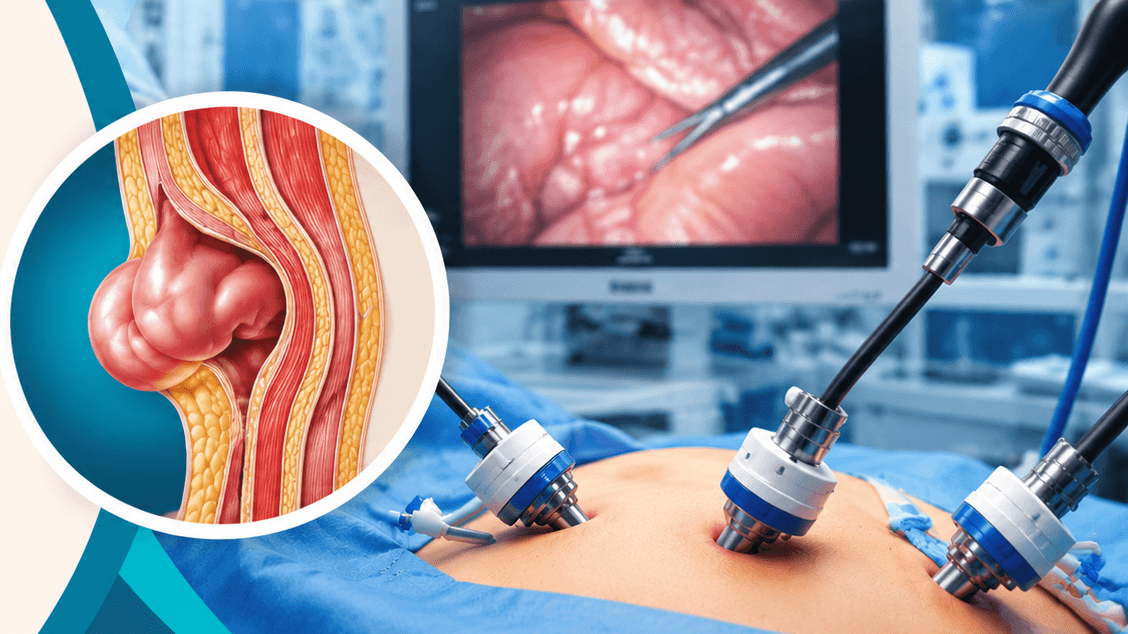
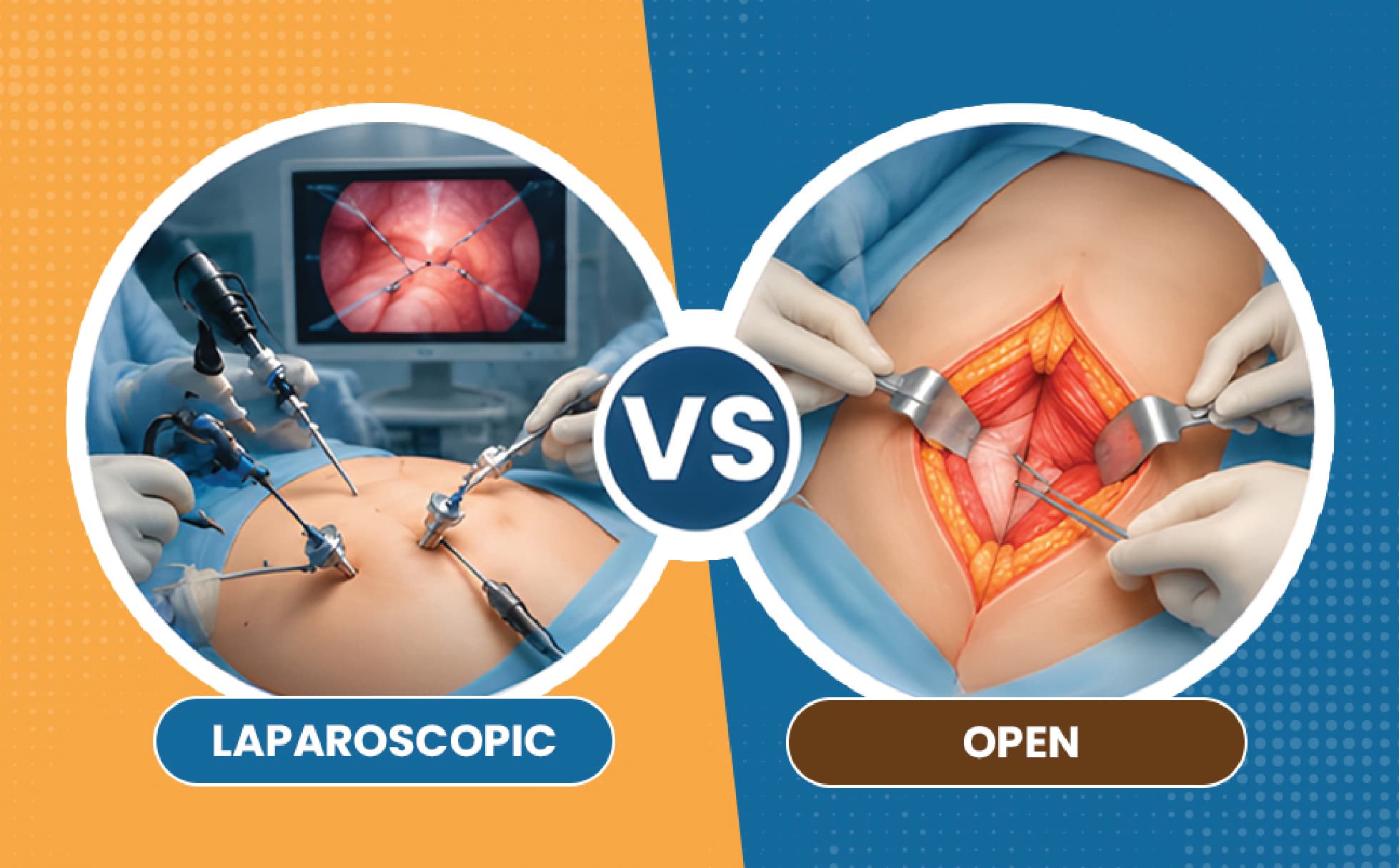
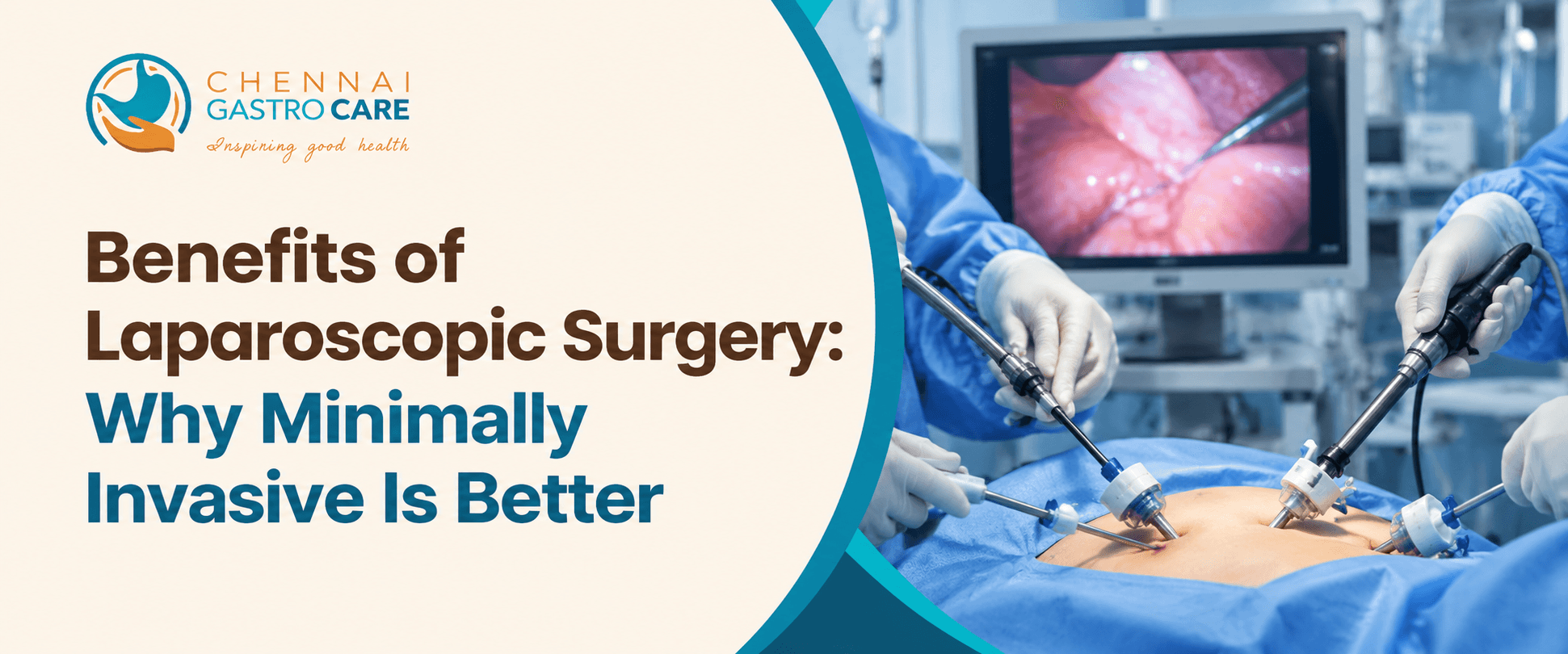
Laparoscopic surgery uses a thin tube with a camera, called a laparoscope, inserted through small incisions (typically 0.5 to 1.5 centimetres wide) to view and repair tissues inside your abdomen. In contrast, open surgery requires one large incision, sometimes 10 to 20 centimetres long, to access the surgical site directly. The laparoscope transmits images to a screen, allowing your surgeon to work with precision using special instruments passed through additional small ports.
This technique represents a major shift in how surgeons approach abdominal, gastrointestinal, and hernia procedures. Instead of cutting through muscle and tissue layers, the surgeon navigates the workspace with magnified vision and minimal disturbance to surrounding structures. The result is less trauma to your body, which translates into faster healing and a lower risk of infection. Many common procedures, including gallbladder removal, hernia repair, weight loss surgery, and colorectal interventions, are now routinely performed laparoscopically in modern surgical centres.
How does laparoscopic surgery reduce recovery time and pain?
Because laparoscopic surgery involves tiny incisions instead of a large cut, your body experiences significantly less trauma. Fewer stitches, less muscle damage, and reduced bleeding all contribute to a faster healing process. Most patients return to light activities within 1 to 2 weeks and resume normal routines within 3 to 4 weeks, compared to 6 to 8 weeks or more after open surgery.
Post-operative pain is also notably lower with laparoscopy. The small incisions mean less nerve irritation and tissue damage, so you typically require fewer pain medications and for shorter periods. Hospital stays are often just 1 to 2 days, or even same-day discharge for some procedures, allowing you to recover in the comfort of your home. According to the Mayo Clinic, minimally invasive techniques consistently reduce post-operative discomfort and accelerate return to normal function. The psychological benefit of less visible scarring also contributes to faster emotional recovery for many patients.
What are the advantages of smaller incisions and less scarring?
The cosmetic outcome of laparoscopic surgery is one of its most visible advantages. Small incisions heal into tiny scars that are often barely noticeable, especially after 6 to 12 months. This is particularly important for patients concerned about body image, those who wear revealing clothing for work or personal reasons, or anyone who simply values minimal scarring. Beyond appearance, smaller incisions reduce the risk of incisional hernia (a weakness in the surgical wound that can cause a bulge or require future repair).
Less visible scarring also means fewer long-term complications. Scar tissue can sometimes limit abdominal mobility or cause internal adhesions (bands of tissue that stick organs together), which may lead to chronic pain or future bowel obstruction. Laparoscopic approaches minimize these risks because they preserve more of your tissue integrity. The American College of Surgeons emphasizes that laparoscopic techniques reduce surgical site infections and wound-related complications compared to open approaches. Many patients report improved confidence and psychological well-being when recovery results in minimal visible scarring.
Is laparoscopic surgery suitable for your condition?
While laparoscopic techniques have expanded dramatically, not every condition or every patient is ideal for minimally invasive surgery. Your surgeon will evaluate factors such as the complexity of your condition, your previous surgical history, your overall health, and any anatomical variations that might affect the approach. Simple procedures like gallbladder removal, straightforward hernia repairs, and certain colorectal interventions are routinely performed laparoscopically with excellent outcomes.
More complex cases, such as emergency surgery, extensive adhesions from prior procedures, or certain advanced cancers, may require conversion to open surgery if the laparoscopic approach encounters unexpected complications. Your surgeon will discuss this possibility before your procedure. At our facilities in Chennai, our specialists assess each patient individually to determine the safest and most effective approach. Patients who are severely obese, have bleeding disorders, or are unable to tolerate general anaesthesia may face additional considerations. The key is honest communication with your surgical team: share your complete medical history, previous surgeries, and any concerns so that the best decision can be made for your unique situation.


What to expect during your laparoscopic procedure and recovery
- Fasting: You will typically need to fast for 6-8 hours before surgery.
- Preoperative assessment: Your medical team will assess your health and confirm your fitness for anaesthesia.
- Anaesthesia: You will receive general anaesthesia, so you remain asleep and pain-free during the procedure.
During the Procedure
- Your surgeon will make small incisions to access the surgical area.
- A laparoscope, a thin camera, will be inserted through one of the incisions.
- Specialised working instruments will be inserted through the other small incisions.
- The surgeon will perform the required repair or removal based on your condition.
- The procedure may take approximately 30 minutes to 2 hours, depending on its complexity.
Immediately After Surgery
- You will be moved to the Post-Anaesthesia Care Unit (PACU).
- Nurses will monitor your vital signs and pain levels as you recover from anaesthesia.
- You may experience:
- Grogginess
- Nausea
- Mild shoulder pain
- Shoulder pain can occur because of the carbon dioxide gas used during laparoscopic surgery to create working space. It typically resolves within 24-48 hours.
Before Going Home
- Once you are alert and stable, your medical team will decide whether you can go home.
- Depending on your procedure and recovery, you may either:
- Be discharged for home care, or
- Stay overnight for monitoring.
During the First Week
- Avoid strenuous physical activity.
- Avoid heavy lifting.
- Avoid driving if you are taking pain medications that may affect alertness.
- Gradually increase your activity as your comfort allows.
Returning to Your Normal Routine
- Desk work: Most patients can return within approximately 1 week.
- Exercise: Exercise can generally be resumed within 3-4 weeks, depending on recovery and your surgeon's advice.
- Follow-up: Your surgeon will schedule a follow-up appointment to check your incisions and assess your progress. Recovery varies from person to person. Your surgeon will provide personalised instructions based on the type and complexity of your procedure and your individual recovery.
Why choose our laparoscopic surgery services in Chennai
At our hospital in Chennai, we are committed to delivering world-class minimally invasive surgical care. Our specialists, including experienced surgeons trained in laparoscopic hernia repair, bariatric surgery, colorectal procedures, and upper gastrointestinal interventions, bring decades of combined expertise to every case. We invest in the latest laparoscopic equipment and high-definition imaging systems to ensure precision and safety. Our surgical teams are accredited under NABH (National Accreditation Board for Hospitals & Healthcare Providers) standards, reflecting our commitment to quality, infection control, and patient safety.
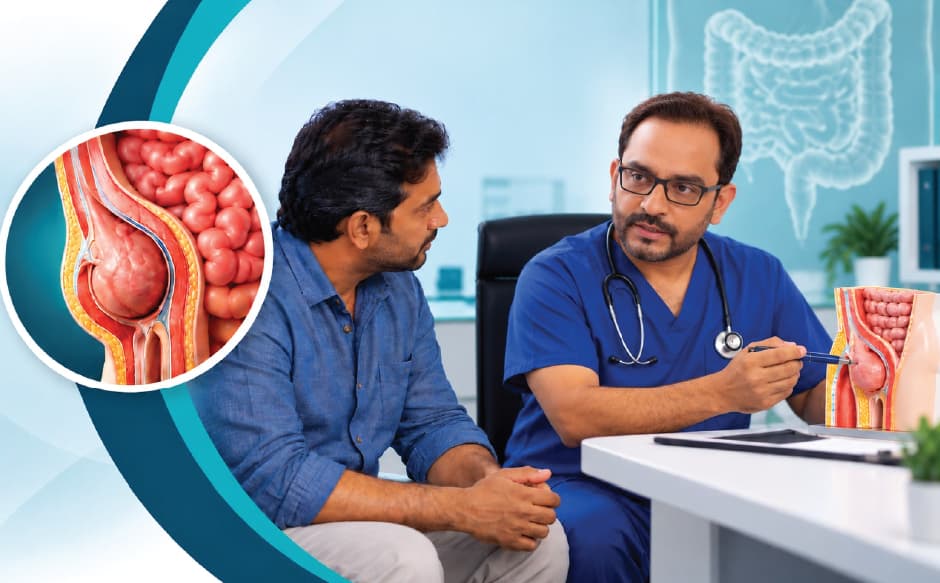
We understand that choosing surgery is a significant decision. That is why we take time during your initial consultation to explain your condition, discuss all available options, and answer every question you have. Our nursing staff ensures compassionate care before, during, and after your procedure. We provide detailed post-operative instructions and are available for follow-up care to support your complete recovery. Whether you are seeking hernia repair, gallbladder removal, weight loss surgery, or colorectal intervention, our multidisciplinary team collaborates to design a personalized care plan that prioritizes your safety and optimal outcome. Patients from across India trust us because of our track record, transparent communication, and unwavering focus on your well-being.
Conclusion: The future of minimally invasive surgical care
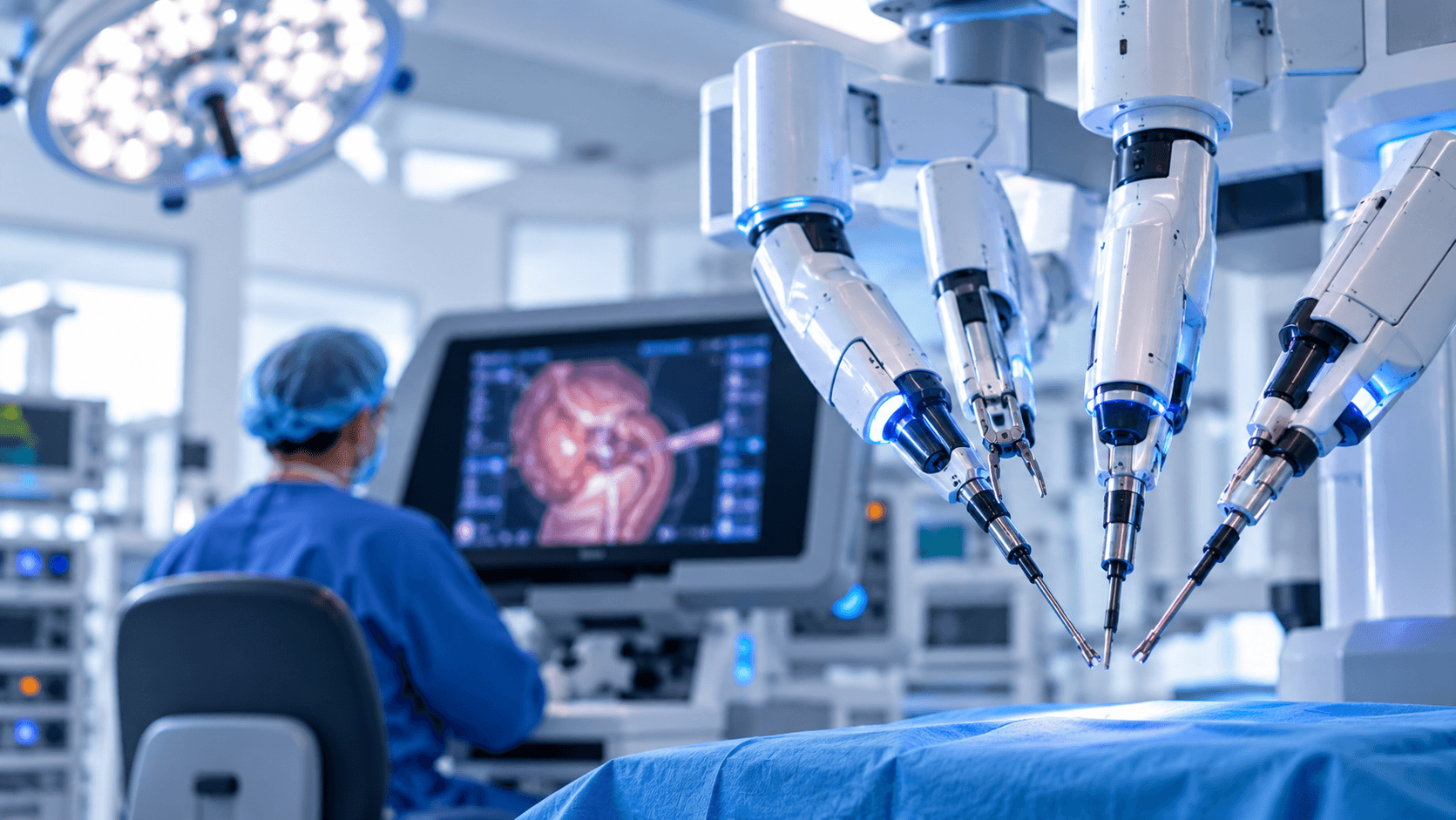
Laparoscopic surgery represents a fundamental advance in how surgeons treat abdominal and gastrointestinal conditions. The benefits, faster recovery, less pain, smaller scars, reduced infection risk, and shorter hospital stays, make this approach the preferred choice for most patients and surgeons when it is appropriate for the condition. As technology continues to evolve, even more complex procedures are becoming safely manageable through minimally invasive means.
Book Your Appointment
Considering laparoscopic surgery for your condition? Consult Dr. Deepak Subramanian at Chennai Gastro Care for personalised surgical guidance. Discuss your condition, treatment options, and recovery expectations with an experienced laparoscopic surgeon. Book your appointment today and get an instant appointment.
If you are considering surgery for a hernia, gallbladder condition, weight loss, or gastrointestinal issue, our specialist surgeons in Chennai can help you understand whether laparoscopic surgery is right for you. Contact us today to schedule a consultation and discover how minimally invasive techniques can speed your recovery and improve your outcome.